November 16, 2026
Maintaining a comfortable, energy-efficient home requires more than reliable heating and cooling equipment. Insulation helps regulate indoor temperatures, reduce unwanted air movement, and support overall building performance. When insulation becomes inadequate, homeowners may experience drafts, uneven temperatures, and rising utility expenses. Spray foam offers an option for addressing certain insulation and air-sealing concerns, but professional evaluation is important before installation. A spray foam insulation contractor can assess existing conditions, recommend appropriate materials, and identify areas needing improvement.
Identifying Unexplained Increases in Energy Bills
Unexpected increases in heating and cooling expenses may indicate that a home's insulation is performing poorly. When conditioned air escapes through gaps in the building envelope, heating and cooling equipment must work harder to maintain comfortable temperatures. Although utility rate changes, equipment problems, and seasonal weather can also affect expenses, persistent increases deserve attention. Homeowners should compare energy usage across similar periods and consider whether indoor comfort has changed.
A spray foam insulation contractor can examine areas where inadequate insulation or air leakage may contribute to energy loss. Attics, crawl spaces, rim joists, and exterior walls are common evaluation points. Professionals can recommend improvements based on existing materials, construction characteristics, and project goals. Addressing appropriate areas may reduce unwanted air movement and support more consistent indoor temperatures without requiring unnecessary insulation throughout the property.
Addressing Persistent Drafts and Temperature Differences
Rooms that feel noticeably colder or warmer than surrounding spaces may indicate problems with insulation, air sealing, or heating and cooling distribution. Drafts around exterior walls, floors, and building penetrations can make indoor environments uncomfortable even when thermostats indicate normal temperatures. These conditions are especially noticeable during extreme weather. However, temperature differences may also result from ductwork problems, window performance, or inadequate airflow rather than insulation deficiencies alone.
Professional evaluation helps determine whether spray foam is appropriate for addressing specific gaps or poorly insulated surfaces. Contractors can inspect accessible building areas and identify locations where unwanted air movement may occur. Depending on the conditions, targeted air sealing or additional insulation may improve comfort. Understanding the underlying cause is important because applying insulation without correcting unrelated mechanical problems may not produce the desired results.
Evaluating Insulation During Home Renovations
Renovation projects create opportunities to inspect insulation normally concealed behind walls, ceilings, and other finished surfaces. Kitchen remodeling, basement finishing, additions, and major interior improvements may expose areas with insufficient or damaged materials. Addressing these concerns before installing new drywall or finishes can reduce the need for disruptive work later. Homeowners should consider insulation requirements early in the renovation process rather than treating them as an afterthought.
Consulting a spray foam insulation contractor during project planning can help coordinate installation with other construction activities. Professionals can assess available cavity space, identify appropriate products, and explain installation requirements. They may also work alongside other trades to ensure electrical, plumbing, and mechanical components are properly positioned before application. Early coordination helps prevent scheduling conflicts and supports insulation systems that complement the renovated structure.
Preparing Insulation for New Construction Projects
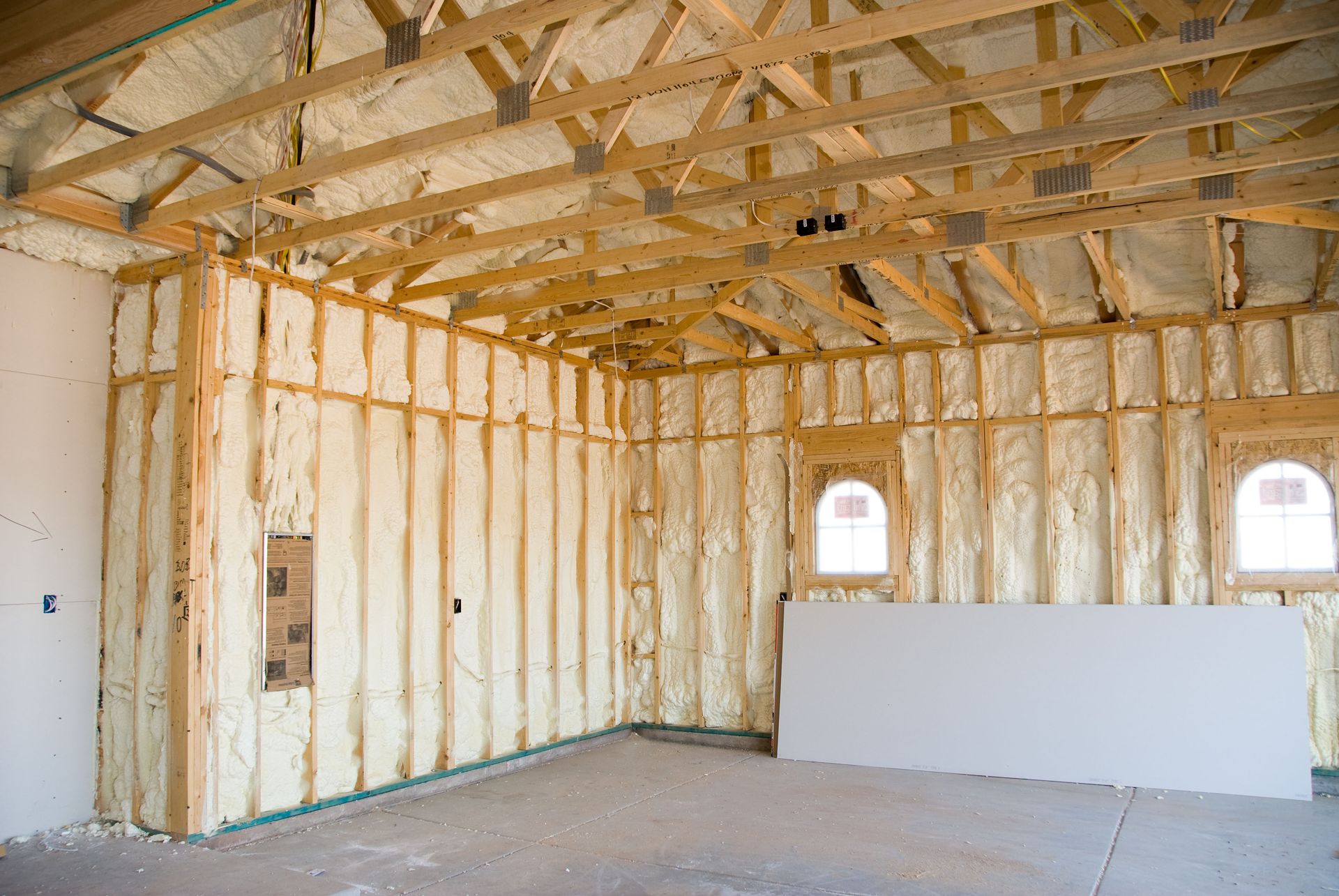
New construction offers an opportunity to incorporate insulation and air-sealing strategies before interior finishes are installed. Builders and property owners must consider climate conditions, building codes, wall assemblies, and anticipated energy performance. Insulation selection can influence comfort, moisture management, and the efficiency of heating and cooling systems. Because different building components have different requirements, selecting one material for every location may not provide the most practical solution.
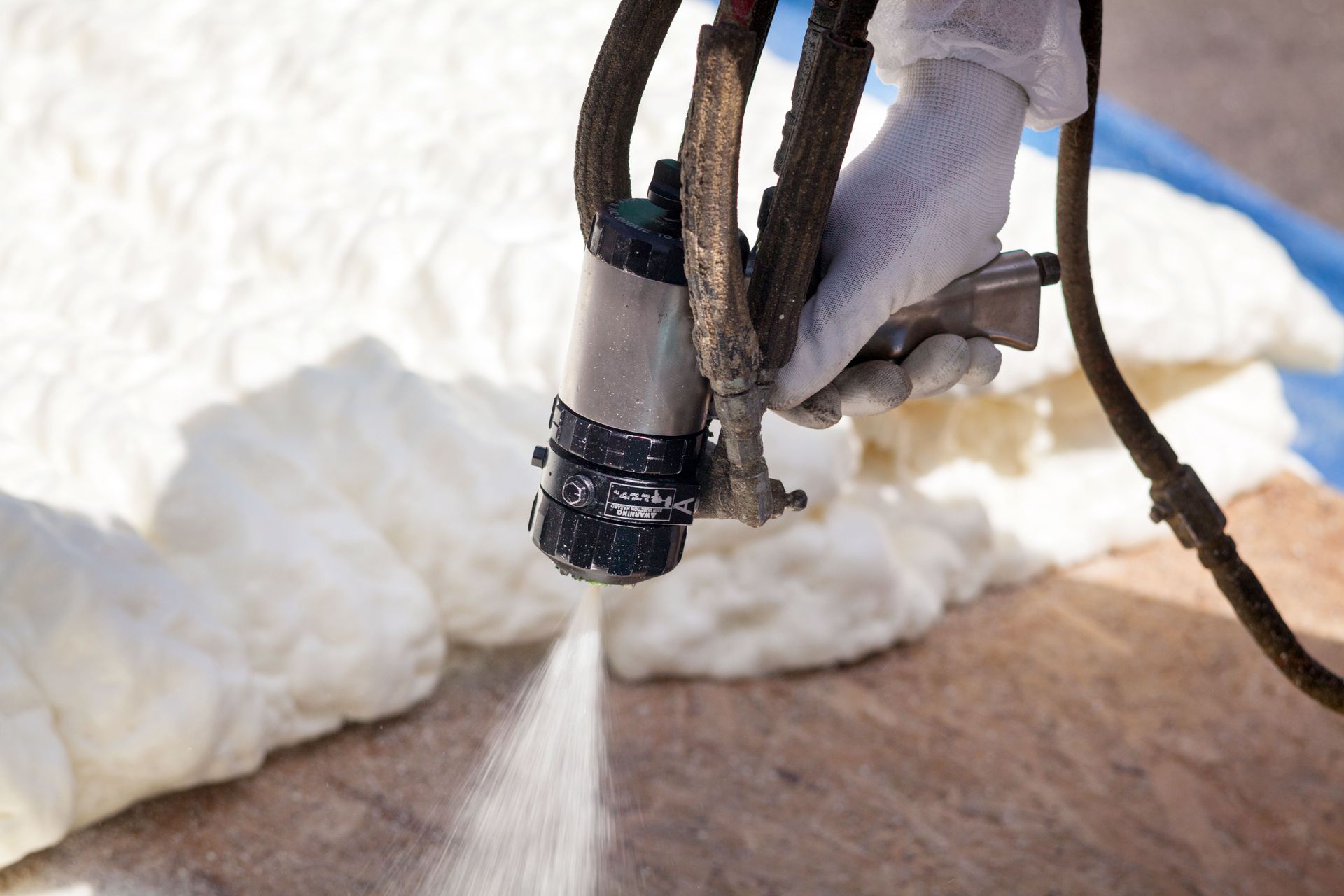
A spray foam insulation contractor can review construction plans and recommend applications suited to particular building assemblies. According to This Old House, spray foam insulation is available in two primary varieties: open-cell and closed-cell. These materials differ in density, thermal resistance, vapor permeability, and other performance characteristics. Professionals can explain which products may be appropriate for specific applications while considering manufacturer instructions and applicable building regulations.
Investigating Moisture and Condensation Concerns
Moisture problems can affect insulation performance and contribute to deterioration within building assemblies. Condensation on certain surfaces, damp insulation, musty odors, and visible staining may indicate unwanted moisture accumulation. These conditions can develop from plumbing leaks, exterior water intrusion, inadequate ventilation, or air movement carrying moisture into cooler spaces. Applying additional insulation without identifying the moisture source can conceal existing damage and potentially worsen underlying problems.
Professional assessment should begin with determining why moisture is present and whether repairs are necessary. Contractors may coordinate with qualified specialists when leaks, drainage problems, or ventilation deficiencies require attention. Spray foam can provide air-sealing benefits in suitable applications, but its moisture-related performance depends on the product and building assembly. Proper evaluation helps homeowners avoid trapping moisture in vulnerable materials and supports insulation decisions that account for long-term building conditions.
Improving Comfort in Attics and Crawl Spaces
Attics and crawl spaces can significantly influence conditions throughout a home. Inadequate insulation, gaps around penetrations, and uncontrolled air movement may contribute to uncomfortable floors, temperature fluctuations, and increased heating or cooling demands. These areas can also contain mechanical equipment, ductwork, and other components that complicate insulation decisions. Homeowners should avoid assuming that every attic or crawl space requires the same treatment because ventilation and moisture conditions vary.
A spray foam insulation contractor can evaluate the existing configuration and explain appropriate installation options. In some buildings, insulation belongs along the attic floor, while other designs may use insulated roof assemblies. Crawl spaces may require moisture control measures before insulation improvements are considered. Contractors should also account for combustion safety, ventilation requirements, and applicable codes. Evaluating these factors helps establish a suitable approach rather than simply adding material wherever space is available.
Reducing Unwanted Air Leakage Around Building Components
Small openings throughout a building envelope can collectively contribute to unwanted air movement. Gaps around rim joists, utility penetrations, framing connections, and other transitions may allow outdoor air to enter conditioned spaces. These leaks can affect comfort and increase the workload on heating and cooling equipment. Although some openings are visible, others remain concealed within construction assemblies and may require specialized assessment techniques to locate.
Professional spray foam applications can help seal appropriate openings while providing insulation in selected areas. Contractors must identify locations that require specific clearances, ventilation, or alternative sealing materials. Openings associated with combustion appliances and other safety-related systems should never be sealed indiscriminately. Careful installation helps address air leakage without interfering with essential building functions. Homeowners may benefit from combining targeted sealing with broader insulation improvements when evaluations identify multiple performance concerns.
Replacing Damaged or Inadequate Existing Insulation
Existing insulation may require attention when it becomes damaged, contaminated, displaced, or insufficient for current building needs. Water exposure, pest activity, construction disturbances, and aging building conditions can affect certain insulation materials. Homeowners may notice exposed gaps, compressed insulation, or areas where materials have shifted from their intended positions. Before replacing anything, it is important to determine whether the existing insulation can remain in place or requires professional removal.
An experienced spray foam insulation contractor can assess accessible conditions and recommend appropriate next steps. Damaged materials may require removal, cleaning, and correction of underlying problems before new insulation is installed. Contractors should also evaluate compatibility with existing assemblies and identify any materials requiring specialized handling. In older buildings, potentially hazardous materials may require assessment by qualified professionals. Selecting a suitable replacement strategy helps homeowners improve insulation performance while addressing existing concerns responsibly.
Knowing when to seek professional insulation assistance can help homeowners address comfort concerns, energy inefficiency, and building performance problems before they become more disruptive. Rising utility expenses, persistent drafts, renovation plans, and damaged insulation are common reasons to investigate available improvements. Moisture concerns, new construction requirements, and challenging attic or crawl space conditions may also justify professional evaluation. A qualified spray foam insulation contractor can examine relevant building characteristics, explain material differences, and recommend applications that align with property needs. Because insulation performance depends on proper preparation, installation, and surrounding conditions, professional guidance helps homeowners avoid unsuitable approaches. Taking action when warning signs appear can support better indoor comfort and more dependable building performance. If you are considering insulation improvements or need help evaluating your property's existing conditions, contact Kansas Foam Insulation LLC today to discuss your needs and explore professional insulation solutions.